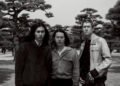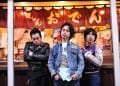


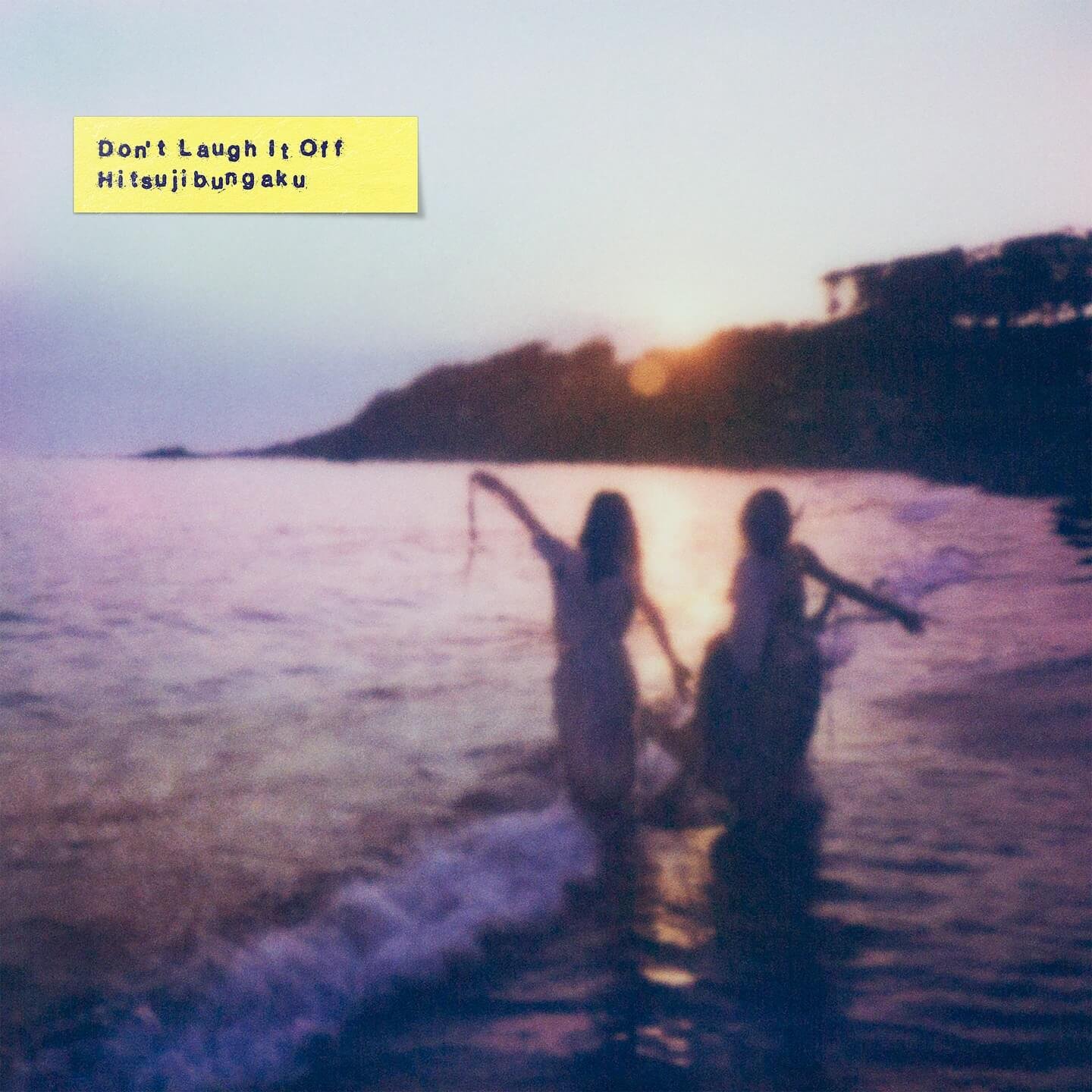
Can music feel like a rainy walk through your favourite neighbourhood? Hitsujibungaku’s new album captures that exact feeling. Led by Moeka Shiotsuka, the Tokyo-based trio comes back with a new project that blends melancholy and warmth.
Don’t Laugh It Off follows 12 hugs (like butterflies), Hitsujibungaku’s critically acclaimed fourth album released in 2023, which featured their internationally celebrated track More Than Words. The song served as the second ending theme for the famous anime series Jujutsu Kaisen in season 2. The 13 new tracks include eight singles released between February 2024 and September 2025, such as Tears, Burning, Koe, Map of the Future 2025, Mild Days and Feel. Most notably, Feel and Mild Days serve as the opening and closing themes, respectively, for the fantasy anime series Secrets of the Silent Witch.
Across these 13 tracks, the album explores an intimate universe where emotions unfold gradually. Shiotsuka’s vocals remain clear and expressive throughout, both delicate and firm. The result is an album that doesn’t demand attention but earns it quietly.
A considerable change in the band
In May 2024, drummer Hiroa Fukuda announced an indefinite hiatus, citing health reasons and the need to adjust his condition. Since then, Hitsujibungaku have relied on support drummers, such as Yuna (formerly of Japanese pop band CHAI), for live shows and recordings. This change hasn’t slowed the band creatively: as Yuna filled in, the trio continued touring internationally and releasing singles. The shift in the group members has added a slightly different energy to their performances, one that underlines their adaptability.
Even with this change, that sense of balance between quiet introspection and raw energy has always defined Hitsujibungaku. But it comes into sharper focus here, especially as the band’s profile expands internationally. Ahead of their first U.S. West Coast tour in April 2025, Moeka Shiotsuka and bassist Yurika Kasai spoke to the Portland Radio Project about bringing their sound overseas. “I’m looking forward to meeting American fans,” Moeka said. “I can’t wait to see how they’ll react to our music.”
International influences
Their excitement is understandable: Hitsujibungaku’s sound blends shoegaze, 90s alternative rock, and a distinct Japanese melancholy, resulting in a mix of influences on a global scale. Yurika noted that bands such as Nirvana, The Smashing Pumpkins, Sonic Youth, Dinosaur Jr., and Pixies have all played a major role in shaping their music.
Their new album reflects this global influence, especially when Moeka slips from Japanese into English mid-song on Tears. It feels like an act of emotional translation: a subtle reaching out across cultures that recalls their love for international genres.
Outside of their interest for global music, much of the band’s identity was forged in Tokyo’s underground live houses. Moeka frequently reflects on her formative years in Shimokitazawa, Tokyo’s vibrant creative district, where she would watch bands perform in small bars and learn from them.
Once again, anime tracks on the album
The band is no stranger to making songs for anime. In 2023, they released the hit song More Than Words for Jujutsu Kaisen and its success was phenomenal. In an interview led by Electric Bloom webzine a few months ago, Yurika shared, “It gives me a strange sensation to know that our music is heard in countries and places we have never been to by people of different languages and cultures.”
Yurika, an anime fan herself, commented that it was wonderful for their music to reach people alongside content that made her proud of her country. She added: “It’s harder than writing for an album, but it teaches you a lot about emotion and structure.”
That attention to emotion and narrative depth naturally carries over into their studio work. Once more, their new album demonstrates great creativity, closely aligned to the universe of anime soundscapes. That awareness shows up in Burning, the album’s most intense track and the ending theme for the anime Oshi no Ko (Season 2, 2024). Where most of Don’t Laugh It Off lingers in quiet reflection, Burning erupts with energy: sharp guitars and racing drums are the proof that Hitsujibungaku hasn’t abandoned their shoegaze roots, only learned to wield them with precision.
An album for quiet walks
As the record unfolds, Don’t Laugh It Off reveals its strength in restraint. The last title track, Don’t Laugh It Off Anymore, softly closes the album like a dissolving memory. The muffled sound of a wave (or the wind) captures the whole atmosphere of the album, somewhat mystical.
Hitsujibungaku’s music doesn’t ask to be understood immediately. It’s patient, atmospheric and nostalgic. As Moeka put it in that same interview last April: “I think it’s important to listen to lots of music and not neglect facing your emotions.”
That’s precisely what Don’t Laugh It Off accomplishes: it draws you into the full spectrum of feeling, from sorrow to relief. Across their new album, Hitsujibungaku seems to invite introspection while offering a wide range of emotions to their listeners.